Person-Centred Counselling
My person-centred therapeutic approach provides insight into and understanding of a person's relational development and world view. It is compassion-focused, client-centred and collaborative, where you are central to your unique therapeutic plan. Humanistic approaches create the conditions in which healing, growth and change may occur, using core conditions of empathy, congruence and unconditional positive regard that are at the heart of my work.
I work in a holistic way with the mind and body connection. As a qualified yoga teacher, where appropriate, I integrate techniques, including breathwork and guided meditation, to help you manage symptoms and create a space where you feel you can explore your body's cues safely. These techniques can also help to provide people with the space and mind-body connection that helps catalyse deeper self-exploration and discovery in talking therapy.

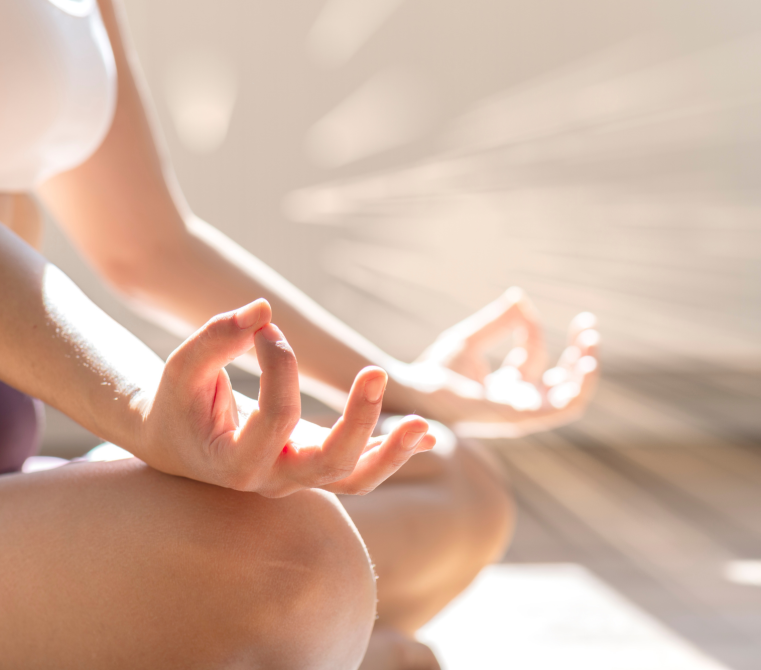
Yoga Therapy
I use a unique and truly holistic integrative approach to mind, body and soul, working alongside you to achieve balance on a physical, energetic, psychological and emotional level.
Yoga sessions, based on the Hatha style of yoga, are gently challenging, allowing you to focus on your unique experience as it presents itself in your mind and body at that moment. I incorporate the whole person and support a deep dive into your emotional life and patterns of thought and behaviour, to enable your insight and transformation. I might use a range of psychotherapeutic approaches (both talking and body-based techniques) combined with breath work, mindfulness, and yogic techniques to help re-balance and regulate your nervous system depending on what is best suited to your needs at each session.
Yoga focuses on posture and breathing techniques to channel vital energy sources. In Sanskrit, Hatha translates to force. The practice involves breath, body, and mind, and sessions include breathing, yoga breathing and meditation.
Breathing: Sessions start with a period of focus on your breath or pranayama. As you go through the poses, I will continue to remind you to focus on your breath and may offer different breathing exercises to try.
Poses: Yoga poses also called postures or asanas, are a series of movements that help improve balance, flexibility, and strength. Poses range in difficulty from laying flat on the floor to physically challenging positions. If a pose is too challenging, I will work with you to modify postures, to make them safe, and accessible for you.
Benefits of Yoga
- Anxiety and depression: Yoga can help relieve everyday anxiety and depressive symptoms, however, it may not be effective for clinically diagnosed mental health conditions.
- Balance: Yoga helps to improve physical and emotional balance
- Emotional health: Yoga has a positive impact on mental health and was shown to have benefits of improving resilience or general mental well-being.
- Sleep: Yoga can improve sleep quality and duration.
- Stress management: Yoga was shown to improve physical or psychological measures related to stress.

The Mental Health Benefits of Hatha Yoga
In today’s fast-paced world, stress, anxiety, and emotional exhaustion have become increasingly common. Many people are searching for natural and
sustainable ways to improve their mental well-being, and one practice continues to stand out for its calming and restorative effects: Hatha yoga.
Rooted in ancient traditions, Hatha yoga combines physical postures, controlled breathing, and mindfulness techniques that support both the body
and the mind. Beyond flexibility and strength, this practice offers powerful mental health benefits that can positively influence emotional balance, resilience, and overall psychological wellness.
One of the most significant benefits of Hatha yoga is its ability to reduce stress and anxiety. The slow, intentional movements encourage practitioners
to focus on the present moment instead of dwelling on worries or future uncertainties. This mindful awareness helps interrupt cycles of negative thinking and mental overstimulation. Deep breathing exercises, often integrated into yoga sessions, promote relaxation by slowing the heart rate and easing physical tension stored in the body. As a result, many people experience a calmer and more centered mental state after practicing yoga regularly.
Hatha yoga also plays an important role in activating the parasympathetic nervous system, often referred to as the body’s “rest and digest” system. The human nervous system has two primary branches: the sympathetic nervous system, which triggers the stress response, and the parasympathetic nervous system, which promotes relaxation and recovery. Chronic stress can leave the body stuck in a heightened state of alertness, contributing to anxiety, fatigue, and emotional instability.
Through slow breathing, meditation, and gentle movement, Hatha yoga encourages parasympathetic activation. This helps lower cortisol levels, reduce blood pressure, and calm the nervous system. When the body feels physically safe and relaxed, the mind becomes more capable of processing emotions clearly and responding thoughtfully rather than reactively. Over time, this repeated relaxation response can improve resilience to stress and support long-term emotional health.
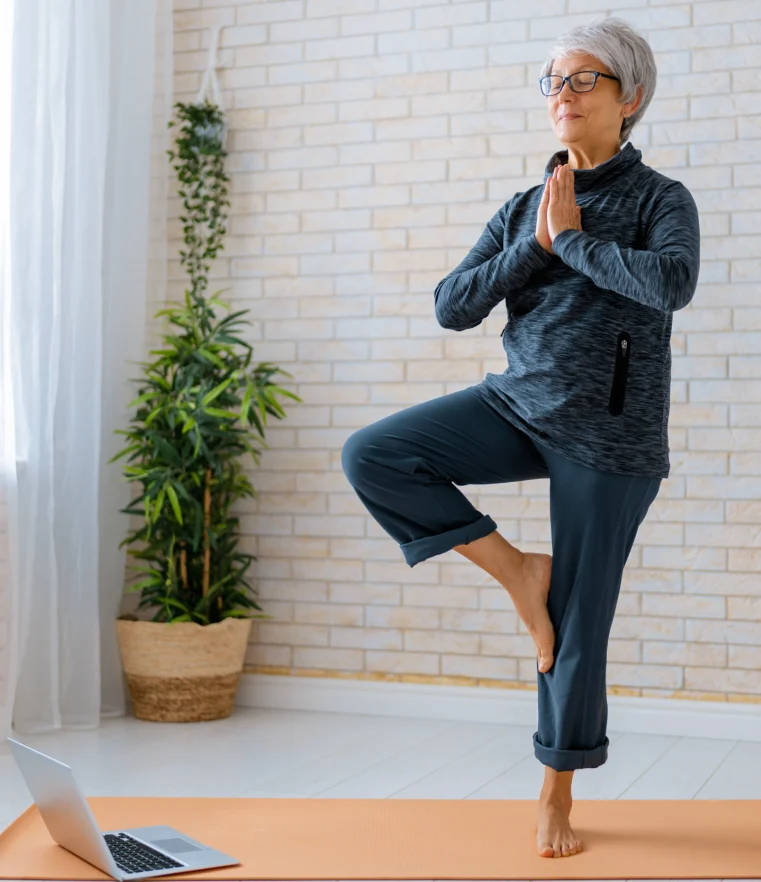
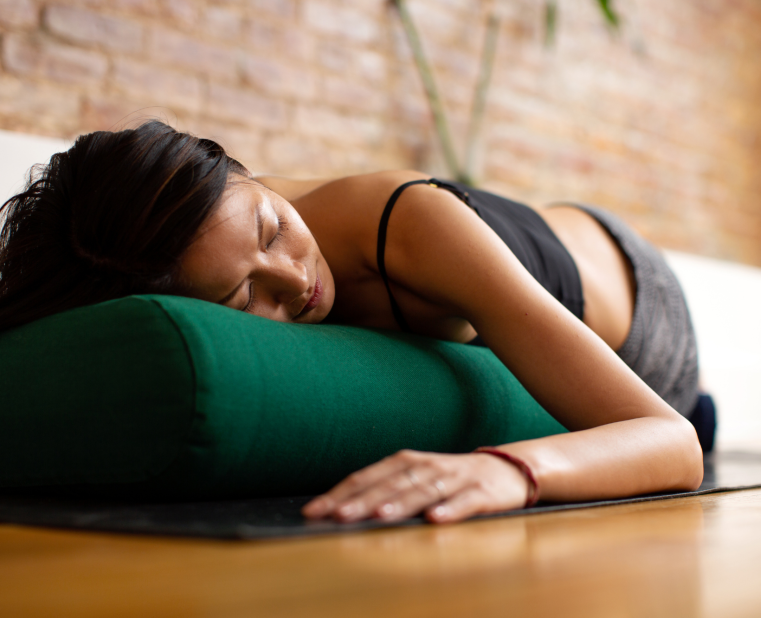
Another important mental health benefit of Hatha yoga is improved emotional regulation. Emotional regulation refers to the ability to manage and respond to emotions in a balanced and healthy way. Many individuals struggle with overwhelming feelings such as anger, sadness, or anxiety, particularly during stressful life events. Yoga creates space for self-awareness by encouraging practitioners to observe their thoughts and emotions without judgment.
This heightened awareness can help individuals recognize emotional triggers before reactions escalate. By practicing controlled breathing and mindful movement, people learn techniques that can be applied outside the yoga studio during moments of emotional distress. Over time, regular yoga practice can strengthen emotional resilience, increase patience, and promote a greater sense of inner stability.
In addition to reducing stress and supporting emotional balance, Hatha yoga may also improve sleep quality, concentration, and self-esteem. Better sleep and enhanced focus naturally contribute to improved mental health and daily functioning. The sense of accomplishment that comes from consistent
practice can also foster confidence and self-compassion.
Ultimately, Hatha yoga offers more than physical exercise; it provides a holistic approach to mental wellness. By calming the nervous system, improving emotional regulation, and encouraging mindfulness, this ancient practice can help individuals cultivate greater peace, clarity, and emotional well-being in everyday life.